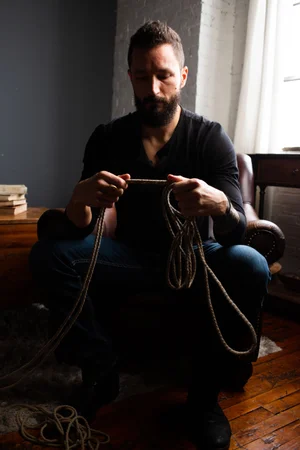
Bodies Over Ropes: Shibari Safety & Partner-Centered Play
Shibari is an art form, a form of connection, and a powerful physical and emotional experience. But at its core, it must always be safe. One of the most essential safety principles in rope play is Bodies Over Ropes—a mindset that places the person being tied above everything else, including aesthetics, ropework, and even the scene itself. The priority must always be the well-being of the bottom, ensuring their physical and emotional safety at every stage of the process.
Shibari Safety: The Importance of 'Bodies Over Ropes' Approach.
Understanding safety concepts in theory is one thing, but experiencing them in practice truly reinforces their importance. Real-world incidents highlight why Bodies Over Ropes isn’t just a guideline—it’s a necessary mindset for every rope practitioner. At a recent Bound Together retreat, we had a minor safety incident that reinforced the importance of this principle. A student, who had a pre-existing wrist injury, began to experience discomfort and signs of nerve pain during a tie. Recognizing the situation, I immediately made the call to cut the rope and used safety shears to free them. (Don’t worry—everyone is 100% okay.)
No one made a mistake. This wasn’t the result of poor technique or negligence, but rather a reminder of how unpredictable rope play can be and why vigilance is always necessary. It was simply a case of a body reacting unpredictably to rope placement. This is precisely why rope education with a safety-focused instructor is essential. Understanding when to stop, when to cut, and when to reassess is just as important as knowing how to tie.
The Bottom’s Well-Being Comes First A great tie means nothing if it compromises the well-being of the person in the ropes. Even the most beautifully executed Shibari can become dangerous if the rigger fails to recognize discomfort, distress, or signs of injury. Safety must always come before aesthetics.
Key Signs to Watch For:
Sudden numbness or tingling, especially in hands or feet
Changes in skin color indicating circulation issues
Complaints of sharp pain or discomfort
Signs of panic, emotional distress, or dissociation
The bottom’s autonomy and communication must always be encouraged, and as a rigger, it’s your responsibility to ensure they feel safe speaking up about discomfort.
Always Have Your Safety Shears At Bound Studio, we have a strict policy: no one ties without safety shears on hand. Even the simplest ties can present unexpected risks, and having shears nearby ensures that you can act quickly if needed. If you don’t already, keep at least one pair in your rope kit—and maybe a backup somewhere accessible.
Why Quick Release Matters:
Accidents happen faster than you think
Panic or unexpected physical responses can set in without warning
Delayed release can cause long-term nerve damage or circulatory issues
Having safety shears is a hallmark of a responsible and skilled rigger—it’s a mark of a responsible rigger who understands that accidents can happen to anyone.
Rope Is Replaceable—People Are Not We get it—bondage rope isn’t cheap, and cutting it might feel like a loss. But when it comes to safety, there’s no hesitation. A rope can always be replaced, but the well-being of your partner is irreplaceable. That’s why we have decided to take a page from Twisted Monk’s Cut-Guarantee policy and extend that policy to all the rope we sell at Bound Studio. But safety should never take a backseat to saving a rope. That’s why we have decided to take a page from Twisted Monk’s Cut-Guarantee policy and we have extended that policy to all of our rope that we sell at Bound Studio. If you purchase rope from us and encounter a safety situation in which you must cut your ropes, we will replace your ropes with the same or equivalent rope at no cost to you. We hope that by doing this we can encourage other rope companies to adopt this same policy and further strengthen the safety dedication in the Shibari community overall.
Deconstructing the Fear of Cutting Rope:
Rope is a tool, not the priority
Your rope bottom is placing trust in you—honor that trust
Cutting rope when necessary strengthens trust, not weakens it
When in doubt, cut it out. There is no hesitation when safety is at stake.
Building a Safety-First Mindset Prioritizing the person over the rope doesn’t just mean being ready to cut. It means fostering a culture of safety and communication at every stage of rope play. This includes:
Checking in regularly to ensure comfort and circulation.
Knowing your rope bottom’s medical history and limitations.
Understanding nerve pathways and pressure points.
Creating a culture where bottoms feel empowered to speak up about discomfort.
Educating yourself continuously—every rigger, no matter how skilled, has more to learn.
Shibari is a journey, and learning to put safety first builds long-term trust between partners, deepens connection, and fosters a safer, more fulfilling experience. By prioritizing safety, both riggers and bottoms can fully engage in the beauty of rope play without fear, creating a stronger foundation for communication, consent, and mutual enjoyment. allows for deeper trust, better experiences, and a more fulfilling practice for everyone involved.
If in doubt, cut it out.
Tie Safe, Always Have questions about rope safety? Want to refine your skills with expert guidance?
Join one of our upcoming workshops and learn from the best.
📅 Book a class here: Book a shibari workshop